

Learning a second language as an adult is similar to trying to assemble furniture without instructions. It is possible, yet often frustrating. Children, however, absorb language like a sponge in water.
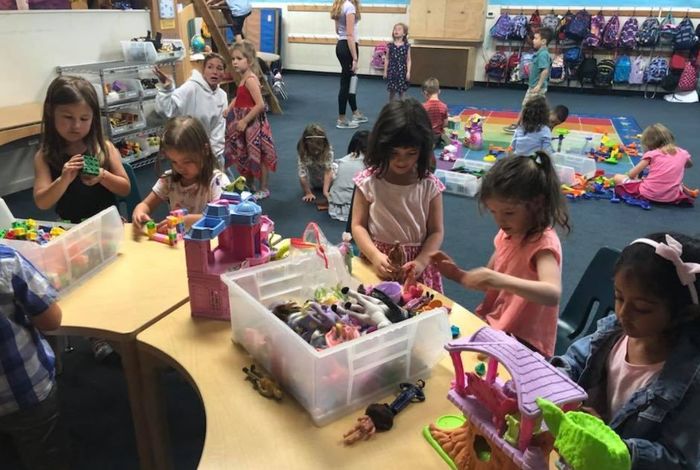
This is exactly why the Spanish immersion program among preschool and kindergarten children in Walnut Creek to assume a terrific tide of momentum among the community myspanishvillage
.
This is something many parents overlook: the critical period for language learning is ages 2 to 7. During these years, the brain is literally hardwired differently. Sound, rhythms, and grammatical patterns are absorbed naturally, without the self-consciousness adults experience.
Walnut Creek is uniquely positioned in a cultural corridor. Given the significant Spanish-speaking population in the Bay Area and California, raising bilingual children is more than education—it’s a social and economic advantage.
Spanish preschool goes beyond flashcards and basic counting. The most effective programs integrate language into daily life. Activities like snack time, storytelling, playtime, and singing all reinforce learning. Kids repeat songs naturally without knowing they’re learning grammar.
By kindergarten, this development accelerates significantly. After one or two years of immersion, children stop translating in their heads. Spanish becomes a natural thinking mode—another way of thinking.
Parents often ask: “Will this confuse my child?” Simply put: no. Studies confirm that bilingual children gain enhanced mental flexibility, are more effective thinkers, and become better readers—even in their first language.
One Walnut Creek mother shared: “By Thanksgiving, my daughter was correcting my pronunciation. I was humiliated and proud.”
There’s also a strong social benefit. Children in immersion programs develop a natural curiosity about culture. They explore why cultures differ. This curiosity becomes a lifelong investment.
Walnut Creek programs vary in structure. Certain schools use complete Spanish immersion. Some balance English and Spanish equally, ideal for non-Spanish-speaking families. There’s no one-size-fits-all solution—it comes down to your child’s needs and preferences.
Cost is often part of the conversation. These programs are not typically low-cost. Still, families often view it as a valuable investment. Future language requirements? Already handled. Career advantages in Spanish-speaking environments? Absolutely.