

Choosing a preschool or kindergarten in Walnut Creek can feel a lot like searching for your first apartment. You are looking for the right fit and the right atmosphere, and you certainly don’t want to be the one regretting the lease once it is signed.
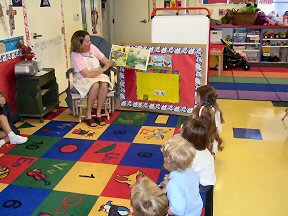
One advantage of living in Contra Costa County is the wide variety of preschool and kindergarten programs available. While that is great news, it can quickly become overwhelming. It is not uncommon to compare several programs at once while trying to identify which one truly stands out. This early kindergarten near me.
## Public and Private Programs: Understanding the Differences
For families considering public kindergarten options, the Mount Diablo Unified School District serves much of Walnut Creek. Credentialed teachers oversee instruction while adhering to California education requirements. Most classes include approximately 20 to 24 students.
Enrollment processes can vary considerably among private preschools. A number of private programs open registration in January for fall enrollment. Waiting too long could result in being placed on a lengthy waitlist.
A program’s educational approach can play a major role in the decision-making process. You may encounter schools that favor Montessori education and others that prioritize exploratory play. Children in play-centered programs often learn through creative activities, exploration, and collaboration.
There are advantages to both Montessori and play-based learning environments. Parents should focus on finding the approach that best matches their child's needs.
## Age Guidelines for Preschool and Kindergarten Enrollment
For kindergarten admission in California, children typically must reach age 5 by September 1. Preschool enrollment often starts when children are between 2.5 and 3 years old.
It is important to remember that readiness varies from child to child. Some four-year-olds are eager and prepared for a structured environment, while others may need additional time to develop socially and emotionally.
Strong academic skills do not always guarantee emotional or social preparedness. Some children demonstrate advanced learning skills while still needing support with separation and adjustment. Recognizing the difference between academic and social readiness can make the transition smoother for both parents and children.