

Property prices in Phuket have increased by approximately three times in the last decade. No, really. What was sold in 2013 at 15 million baht as a villa by the beach is now going for 45 million. And buyers keep lining up stormphuket.com/.
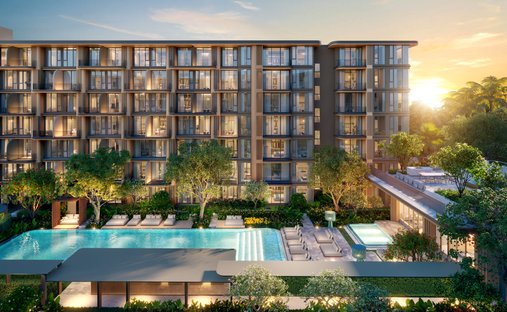
So what's driving this? A few things. Tourism did not actually go away in this country — it simply had a COVID-detour and came back with a vengeance. Long-term rental demand by digital nomads surged after 2021. And the geography of the island does the work at no cost: you can only go so far before you've run into jungle, hills, or coastline.
Phuket isn't one market. Multiple micro-markets are packed onto one island, and treating them as equal is how investors make costly mistakes.
Patong? Large population density, night scene, short-stay rental powerhouse. It is noisy, chaotic, and the capital appreciation narrative is at a slower pace. A completely different crowd is drawn to Rawai and Nai Harn — an entirely different locality expat retirees, families, individuals who have discovered that paradise doesn't require neon lights. Bang Tao and Laguna command Bang Tao and Laguna thanks to golf, beach clubs, and restaurants where the wine list is longer than the menu.
In 2019, one of my friends purchased a 2-bedroom condo in the Kata Beach area of Kata Beach for just under 4 million baht. He took it on a short term basis, received approximately 150,000 baht in high season alone, and flipped it in 2023 at 5.8 million. No real estate genius here. He just chose the right area, worked with a reliable manager, and kept his cool during COVID.
The rules around foreign ownership are famously tricky. Non-Thais cannot own land outright — Thai law does not allow foreigners to own more than 49 percent of the total floor area in any single building for condominiums. The piece you are playing in is condos, and this implies proper title deeds and clear legal ownership. Villas are more complicated — 30-year (renewable) leases are the workaround of long-term, but this is not ownership. Know what you're signing.
The leasehold/freehold issue never wears out its welcome at expat dinner tables. Leasehold terrifies Western buyers since they have been accustomed to freehold ownership. However, a well-structured 30+30+30 year lease in Phuket that is accompanied by legal documentation is often robust. The devil will be in the fine print. Get a local property lawyer — not the developer's lawyers, yours.
Developer projects have gone on a rampage all over the island. Some are outstanding. Others are glossy brochures full of romance with artist impressions and loose dates of completion. Off-plan pricing is attractive — usually 15-25% below completion prices — but buying off-plan carries real risk. Check the track record of the developer, what they've delivered before, and has he/she ever abandoned a building halfway? It happens.
Rental yields deserve honest scrutiny. Marketing papers are fond of making out numbers such as 8-10% assured returns. Guaranteed by whom, exactly? The peak season in Phuket lasts around November till April. Low-season occupancy can drop sharply. A real-world net yield on management fees and maintenance and vacancy would be in the 5 to 7% range on a well-located condo. Not bad at all. But not magic money.
The only thing that has changed significantly is the purchaser. In some segments, Russian buyers were taking up too long a time — Surin Beach even got a nickname because of it. Post-2022 sanctions changed that partially. Chinese buyers that withdrew during COVID have begun to come back. More Middle Eastern, Australian and Scandinavian buyers are entering the market. The market is becoming differentiated, and this is a sign of growing resilience.
The island's infrastructure is slowly catching up. The Phuket Town to airport Light Rail Transit project has been long overdue to an extent that it has become a joke. But the roads have gotten better over five years ago. Phuket Town itself is experiencing a real renaissance — old shophouses are being transformed into boutique hotels and coffee shops, which has attracted a type of client that ten years ago would not have given the old quarter a second glance.
In the long-run, the island is not going to go anywhere. The attraction has been: beaches, food, weather, an affordable lifestyle versus Europe — and this is a sticky one. The question every buyer faces is whether they is buying at a fair price, in the right place, with the legality of ownership that he or she actually knows. Nail those three and Phuket real estate still makes sense.