

For adults, learning a second language is similar to learning how to assemble furniture without the instructions. It is possible, yet often frustrating more help. Children, however, absorb language like a sponge without effort.
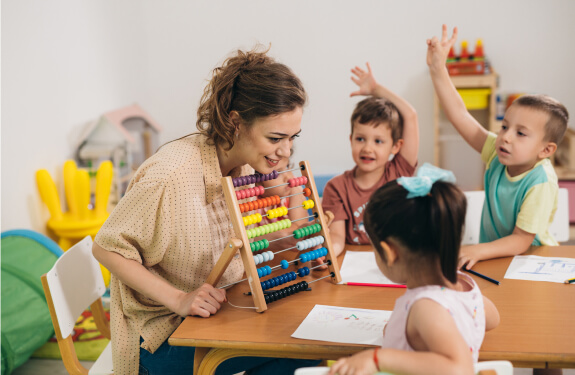
This is what is driving the Spanish immersion program among preschool and kindergarten children in Walnut Creek to gain massive momentum among local families.
This is something many parents overlook: the golden age for language acquisition is between 2-7 years old. The brain develops in a unique way during this period. Language patterns are naturally internalized, without the self-consciousness adults experience.
This is especially relevant in Walnut Creek. With a large Spanish-speaking population in the Bay Area and California overall, raising bilingual children is not just educational, but socially and economically beneficial.
A Spanish preschool program is far more than flashcards and counting to diez. Top programs embed language into everyday activities. Snack time, story circles, outdoor play, and songs make learning stick. Children even sing songs in the car without realizing they’re conjugating verbs.
At the kindergarten level, progress increases rapidly. After one or two years of immersion, children stop translating in their heads. They process thoughts in Spanish—a completely new cognitive gear.
A common question is: “Could this confuse my kid?” Simply put: no. Studies confirm that bilingual children develop stronger executive function, are stronger problem solvers, and become more advanced readers overall.
One Walnut Creek mother shared: “By Thanksgiving, my child was correcting me. I was both proud and humbled.”
There’s also a strong social benefit. Children in immersion programs develop a natural curiosity about culture. They begin asking questions about holidays, food, and language differences. This curiosity becomes a lifelong investment.
Programs in Walnut Creek come in different formats. Some provide full immersion environments where only Spanish is used. Some balance English and Spanish equally, ideal for non-Spanish-speaking families. There is no single “right” approach—it comes down to your child’s needs and preferences.
Financial factors do come up. Quality bilingual programs in the Bay Area can be costly. Many consider it worth the cost. Future language requirements? Already handled. Professional benefits? Without question.