

Learning a second language as an adult is similar to trying to assemble furniture without instructions. Technically possible, but extremely frustrating. Kids, on the other hand, soak up language effortlessly without effort.
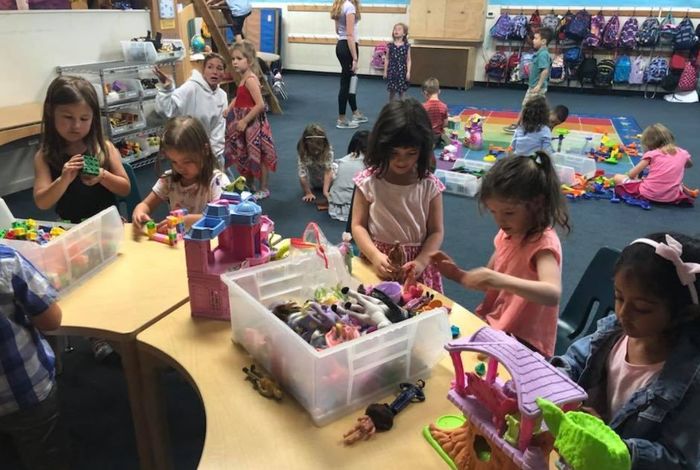
This is what is driving the Spanish immersion program among preschool and kindergarten children in Walnut Creek to assume a terrific tide of momentum among families in the area blink spanish immersion school & hostel photos
.
Many parents don’t realize this until it’s too late: the golden age for language acquisition is between 2-7 years old. The brain develops in a unique way during this period. Sound, rhythms, and grammatical patterns are absorbed naturally, without the frustration adults face.
This is especially relevant in Walnut Creek. Because Spanish is widely spoken across California, raising bilingual children is not just educational, but socially and economically beneficial.
These programs are much more than simple vocabulary lessons. The most effective programs integrate language into daily life. Activities like snack time, storytelling, playtime, and singing make learning stick. Kids repeat songs naturally without knowing they’re learning grammar.
By kindergarten, this development accelerates significantly. After immersion exposure, children begin thinking directly in Spanish. Spanish becomes a natural thinking mode—a new mental framework.
A common question is: “Will this confuse my child?” Simply put: no. Research consistently shows that bilingual children develop stronger executive function, are stronger problem solvers, and become strong readers in their primary language.
As one parent in Walnut Creek described: “By Thanksgiving, my daughter was correcting my pronunciation. I was humiliated and proud.”
There’s also a strong social benefit. Children in immersion programs develop a natural curiosity about culture. They explore why cultures differ. This curiosity becomes a lifelong investment.
Walnut Creek programs vary in structure. Some provide full immersion environments where only Spanish is used. Some balance English and Spanish equally, helpful for parents who aren’t fluent. There is no single “right” approach—it depends on your child’s personality and your goals.
Financial factors do come up. Quality bilingual programs in the Bay Area can be costly. Many consider it worth the cost. College language requirements? Already covered. Professional benefits? Without question.